The observation is increasingly difficult to ignore: F1 drivers no longer always fully say what they think about the current regulations or at least, not publicly, for fear of reprisals.
Read more Max Verstappen lets go: he clearly approves Lambiase’s departure
Officially, the discourse remains measured, often aligned with that of the Fédération Internationale de l’Automobile and Formula One Group. Behind the scenes, the tone is much more critical.
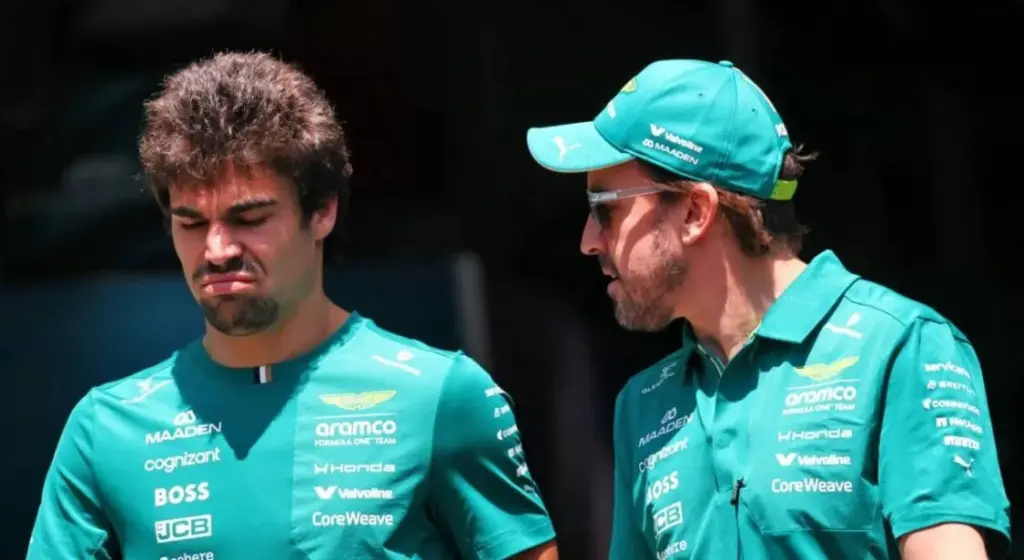
The example of Lance Stroll in Miami is revealing. Usually not very expressive with the media, the Aston Martin F1 driver this time adopted a much more direct line: according to him, the 2026 cars are fundamentally flawed.
A plaster on a wooden leg
The adjustments made — although collectively approved — would only be superficial corrections unable to solve structural problems. He even goes so far as to say that these cars “destroy the show” and make the discipline less enjoyable to drive.
But the most revealing point lies elsewhere: Stroll suggests that some drivers are contractually limited in their freedom of speech. In other words, public communication is partly controlled, which explains why the frankest criticisms rarely emerge in official conferences.
Read more George Russell defends the new F1 rules: «The problems have been fixed»
The current mechanisms — extreme energy management, “lift and coast”, superclipping — produce a driving style considered artificial, especially in qualifying. Several drivers, including Max Verstappen, have already pointed out that these issues could have been avoided if their feedback had been taken into account earlier in the rule-making process.
Discomfort and filtered communication
The problem is regulatory inertia. With the core of the regulations locked until 2029, the room for maneuver is very limited in the short term. The current changes look more like cosmetic adjustments than a real overhaul. A deep correction is not expected before 2030.
This gap creates an uncomfortable situation for F1: generally dissatisfied drivers, a divided fan base, and a structural inability to react quickly. The most worrying signal may be cultural. More and more drivers enthusiastically mention other disciplines, notably endurance and GT, such as races on the Nordschleife. Ten years ago, this was unthinkable at this level.
In reality, drivers have always had strong opinions. But between contractual constraints, institutional communication, and political stakes, these opinions are often filtered. And when some, like Stroll, step out of line, it mainly confirms one thing: the discomfort is real, deep, and widely shared.
Read more Lewis Hamilton sees an opportunity for Ferrari in the rain in Miami