The FIA has amended the Formula 1 power unit regulations for 2026 by updating the schedule of the system called “Additional Development and Upgrade Opportunities,” following the cancellation of the Bahrain and Saudi Arabia Grands Prix.
A decision that could provide additional help to struggling engine manufacturers, notably Honda, the engine partner of Aston Martin F1.
The ADUO mechanism was introduced for the new 2026 engine cycle to prevent a manufacturer in difficulty from falling behind for several seasons, as has happened in the past.
A system to help lagging manufacturers
The system allows engine suppliers who are lagging in performance compared to the reference on the grid to benefit from additional concessions in terms of development and financial flexibility.
According to current rules, engine manufacturers receive more dyno test hours as well as a relaxation of the budget cap for every 2% deficit in thermal engine performance compared to the best engine.
The FIA has now extended this system by adding a new category for manufacturers lagging by 10%, whereas the previous limit was set at 8%. An additional financial bonus of 8 million dollars has also been added for this season only.
Further expanded assistance
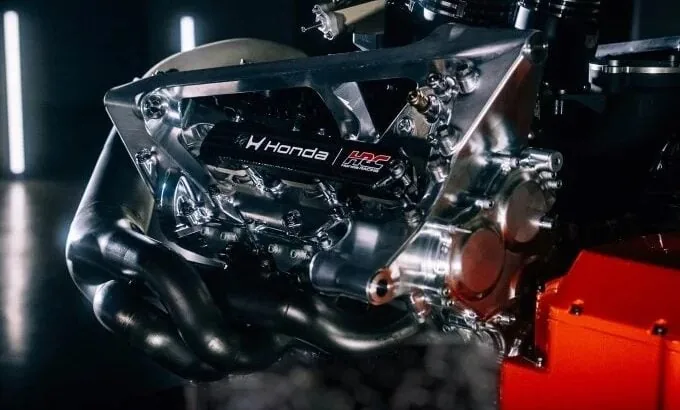
Honda now appears as the manufacturer most likely to benefit from these new measures, after encountering both performance and reliability issues with its 2026 engine project.
The regulations also specify which components of the power units can be improved outside the classic development freeze thanks to the ADUO system, even if this mechanism does not guarantee an immediate return to competitiveness.
Originally, the evaluations to determine eligibility for the ADUO system were to take place after the sixth, twelfth, and eighteenth rounds of the championship. But after the removal of the Bahrain and Saudi Arabia races from the calendar, the FIA has revised these deadlines.
A modified evaluation schedule
The new dates will now be: after the 5th round at the Canadian Grand Prix in Montreal, after the 11th round in Hungary, then after the 18th round in Mexico.
The FIA also specified that these evaluation periods as well as the method of measuring performance could still evolve if necessary. It therefore retains some leeway depending on the performances of the various stakeholders.
The body stated: “These ADUO periods can be adjusted by the FIA in case of significant changes to the championship calendar. The proposed 2% threshold as well as the final definition of the thermal engine performance index will be validated or adjusted after the conclusion of the work currently underway between power unit manufacturers and F1 teams regarding the measurement of on-track performance.”