The truce imposed in April on the F1 World Championship is part of the war in Iran, but it is not a first in the history of sport, as our video sequence reminds us.
Read more Alpine breaks its silence after threats and accusations of sabotage
The Covid crisis had already disrupted social life in general and the organization of sporting events, but Formula 1 had shown great reactivity by adapting to exceptional circumstances thanks to its ability to deploy exemplary logistics.
The situation in the Middle East is causing new obstacles with security conditions that prevent the holding of the Bahrain and Saudi Arabian Grands Prix scheduled for the coming weeks as the conflict continues.
Gulf countries all impacted
In addition to the Sakhir and Jeddah rounds, the other races in the region are scheduled for the end of the season in Doha and then Abu Dhabi, when it is to be hoped that the geopolitical situation will be normalized.
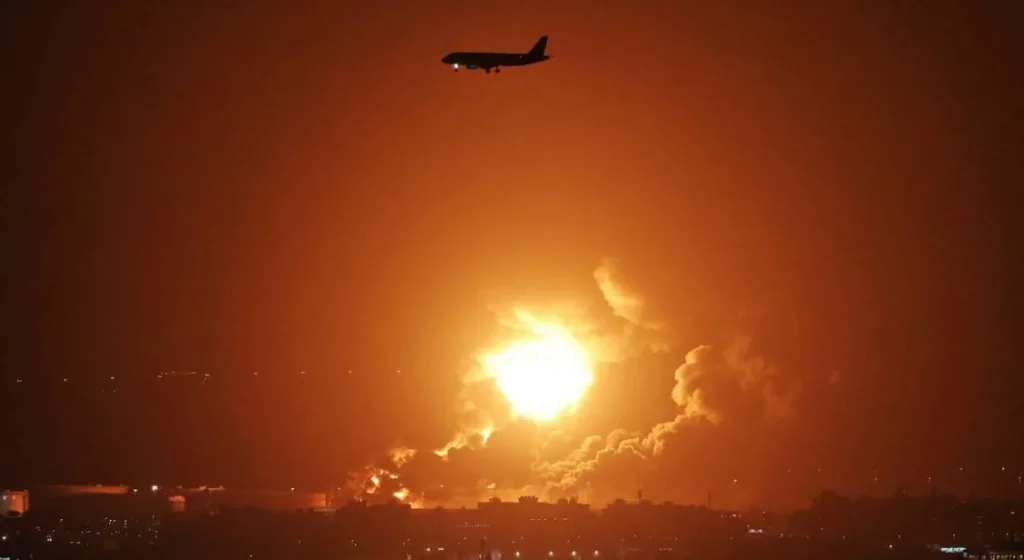
However, we remember a serious incident that almost disrupted the Saudi Arabian Grand Prix in 2022 when missile fire from Houthi fighters in Yemen hit a storage area in an Aramco oil refinery about ten kilometers from the circuit (photo above).
Read more Aston Martin hits rock bottom… but refuses to collapse after a first milestone reached
This traumatic event had delayed the schedule, but after guarantees from the Saudi authorities, F1 and the FIA were able to give the green light to the Grand Prix, even if concern was still present. Racing in such an unstable environment can indeed prove dangerous, especially since a war context generally excludes coverage by insurance companies.
In the past, politics has played a part in certain cancellations in South Africa, Bahrain, or Russia, as Ziv Knoll and Pierre Van Vliet recount in our latest video broadcast in collaboration with the site The Human Side of Racing.
The emergence of Antonelli
The other major trend of this early season is the rise of the young Kimi Antonelli, winner of two of the first three Grands Prix and the first teenage leader of the F1 World Championship.
It is the first time an Italian has won twice consecutively since… Farina and Ascari in 1952! This shows how much the tifosi are on the lookout for this new prodigy who is shaking up the established hierarchy, even if they remain loyal to Scuderia Ferrari. Our two experts also look into this phenomenon in this month’s show.
Read more Lewis Hamilton pessimistic: drivers excluded from key F1 engine decisions