The FIA introduces new major restrictions for wet conditions. A decision that could disrupt strategies as early as Miami.
Read more F1 Calendar 2026: Towards a Surprise Return of Bahrain in October?
As the Miami Grand Prix approaches, the FIA has formalized a series of significant changes to the Formula 1 technical regulations. The goal is clear: to improve safety in delicate track conditions, especially in the rain.
The most striking decision concerns the outright ban on the “boost” mode when the track is wet. This system, which usually allows drivers to benefit from a power surplus of up to 350 kW, will no longer be usable in low-grip conditions.
This choice follows concerns expressed by several drivers about the sometimes harsh behavior of current hybrid units in the rain. The sudden power boost could make the cars particularly difficult to control, especially when exiting corners.
Overtaking completely rethought
With this ban, the dynamics of races in the rain could radically change. Without boost, drivers will now have to rely solely on pre-programmed engine maps to try to overtake their rivals.
In other words, performance differences will be less pronounced on the straights, which could reduce the “easy” overtakes often seen thanks to the power surplus. This should encourage more constructed maneuvers dependent on the pure talent of the driver.
Read more What time to follow the sprint qualifying of the Miami GP?
In the same logic, the FIA has also restricted the use of active aerodynamic systems. The mode that reduces drag on the straights can only be partially activated in certain low-grip zones, further limiting attack opportunities.
Miami, first real-world test
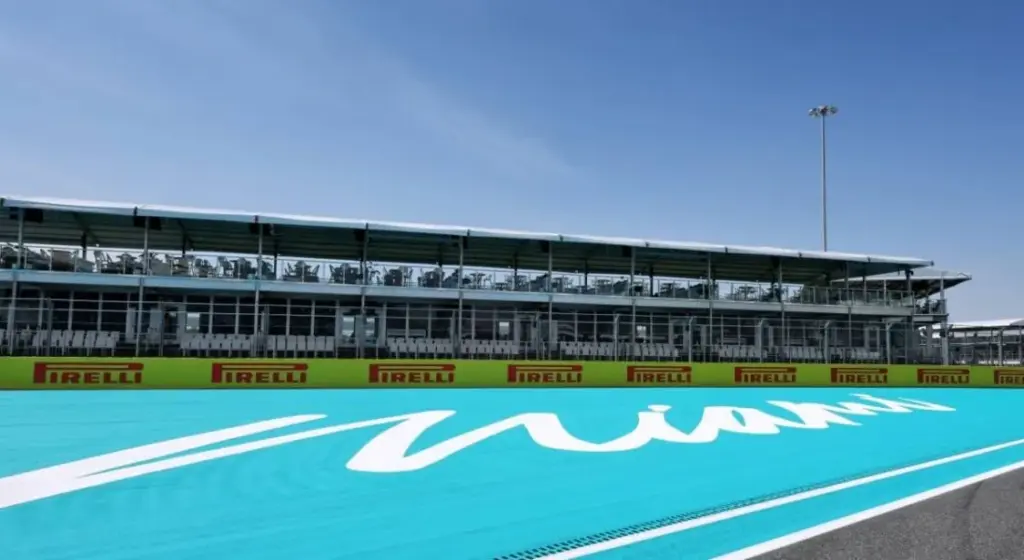
These adjustments come at a particularly opportune moment, as the Miami Grand Prix could take place under unstable weather conditions. Thunderstorms are indeed expected on Sunday, which could offer a first real-world test for these new rules.
Additionally, other measures have been implemented, such as increasing the temperature of the heating blankets for intermediate tires, as well as modifying energy management to improve traction.
The FIA thus continues its delicate balance between spectacle and safety. It remains to be seen whether these changes will truly prevent dangerous situations… without sacrificing on-track intensity.
Read more Miami under tension: the FIA prepares an emergency plan in response to thunderstorms