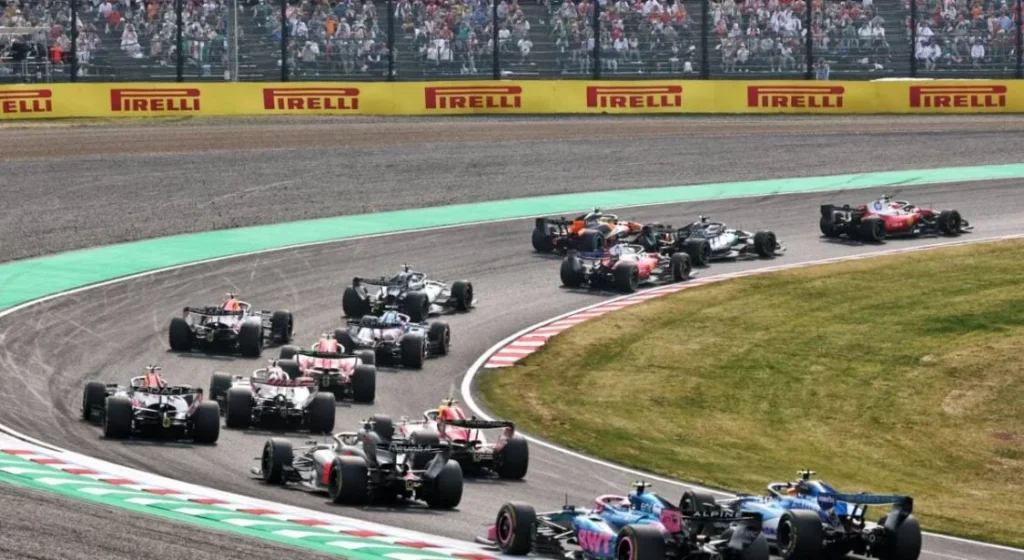
After three difficult races, F1 is looking for quick solutions to correct the problems of the new power units.
Read more Fernando Alonso finally sees a glimmer of hope: Aston Martin progresses despite the doubts
The first races of 2026 highlighted the limits of hybrid engines and the energy management imposed by the new regulations. According to technical analyst Paolo Filisetti, these constraints have particularly affected qualifying.
“Super clipping, this electronic system that reduces power to favor recharging, has completely distorted the show on the grid,” he explains.
But the races themselves are not spared. The spectacular incident between Oliver Bearman and Franco Colapinto demonstrated how much speed differences, depending on whether the car is in the recharging or energy deployment phase, can pose a real safety risk.
Quick and concrete solutions
Several measures could be applied in the short term to limit the negative effects of these engines. Among them, a reduction in the number of megajoules recoverable per lap seems feasible.
“Limiting the maximum recoverable energy to 5MJ would avoid clipping on the straights while maintaining a correct top speed,” Filisetti specifies.
Read more Oscar Piastri realistic after his exploit: McLaren «at the maximum… but still not enough»
Other adjustments include a slight increase in turbo pressure or a fuel with a higher calorific value, which would increase the power of the internal combustion engine without profoundly modifying the design of current power units.
“The most effective and least intrusive strategy will have to be chosen for this season,” he adds.
Towards an electric/thermal compromise
For the future, rebalancing the ratio between the electric motor and the internal combustion engine could stabilize the situation. Filisetti proposes a 60:40 ratio in favor of the internal combustion engine, compared to 50:50 currently.
“This would preserve the role of the battery while making the performance of the cars and drivers more tangible on the track,” he emphasizes.
This solution would allow F1 to maintain its sustainability principles, while giving drivers and spectators a clearer and more exciting challenge. The search for a compromise between safety, spectacle, and competitiveness will therefore be central to the next decisions of the F1 Commission and manufacturers.
Read more Franco Colapinto targeted after Suzuka: his entourage speaks out